How One Mum Became a Voice for Rare Disorders
January 30, 2026
Our partner charity, Rare Disorders NZ, supports families navigating life with rare conditions. Michelle’s story shows how shared experience and steady support can build confidence and create real change.
When Michelle’s son Adam was diagnosed at just nine weeks old with a rare genetic condition, her world shifted overnight. Doctors explained that some of Adam’s genetic instructions were missing, while others were repeated, which can affect how a child grows and develops. Because his condition was so uncommon, there were few clear answers about what life might hold. The only information Michelle was given was a leaflet for an organisation called Unique in the United Kingdom, which supports families affected by this rare condition known as 1q4 deletion.
Unique is a global support network for families affected by rare chromosome and gene disorders and proved to be a lifeline for Michelle. Through Unique, Michelle was able to connect with other 1q4 families around the world to share the highs and lows of daily life. They could swap notes to take back to their medical professionals and celebrate important ‘inchstones’ together when they were reached.
“It made me feel less alone joining Unique many years ago. Building those connections with families has been so important and they are my go-to for support, sharing information, having friendships etc for life,” says Michelle.
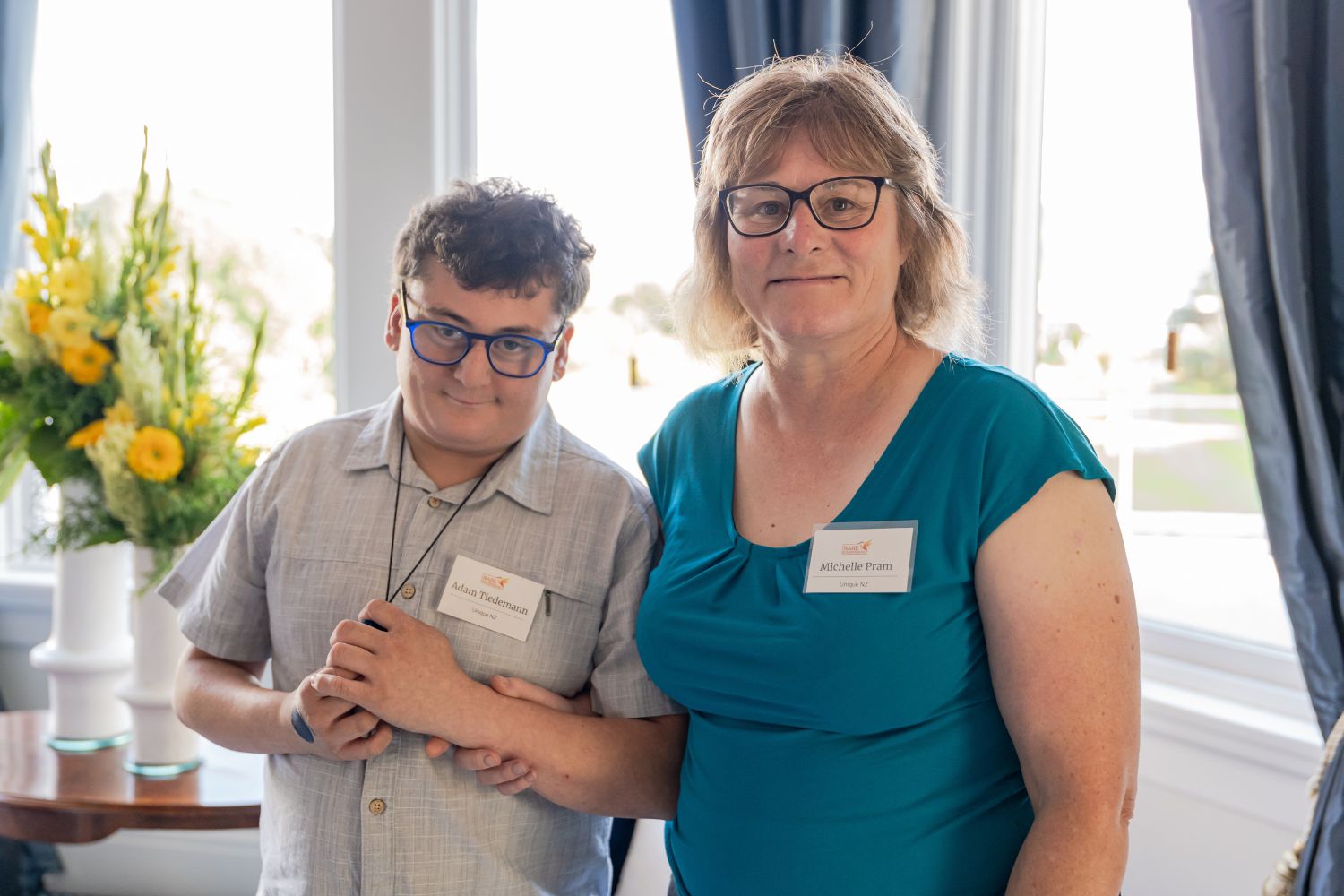
Michelle valued the support so much that she decided to volunteer as the support group lead for Unique in New Zealand. She has now held the role for 14 years and counting.
“I wanted to help others – especially when first starting their journey. It is very scary and at times difficult trying to navigate the systems and support out there. I wanted to pass on everything we have learnt on the way and help others not feel so alone,” says Michelle.
Along with Unique NZ, there are over 150 other support groups under Rare Disorders NZ’s collective. Like Michelle, most of the support group leads are mums to children with rare disorders, who volunteer their time in their busy schedules to offer support and guidance to others on similar journeys. They have few – if any – resources to run the groups, with Facebook being their primary communication platform with families.
Rare Disorders NZ offers centralised guidance for support groups in their collective. They work with group leads to upskill and support them with their advocacy pursuits for their respective conditions, whether it be helping to draft a submission on a policy proposal, supporting an application to Pharmac, providing media training or helping to set up a petition to parliament.
“Being able to access information, attend Support Group Huis and other events has been very helpful for me personally in terms of gaining knowledge and confidence as well as making connections with other support group leads,” shares Michelle.
“It’s been very helpful to meet other people from other groups in person to share information that I in turn can pass onto my Unique NZ group.”
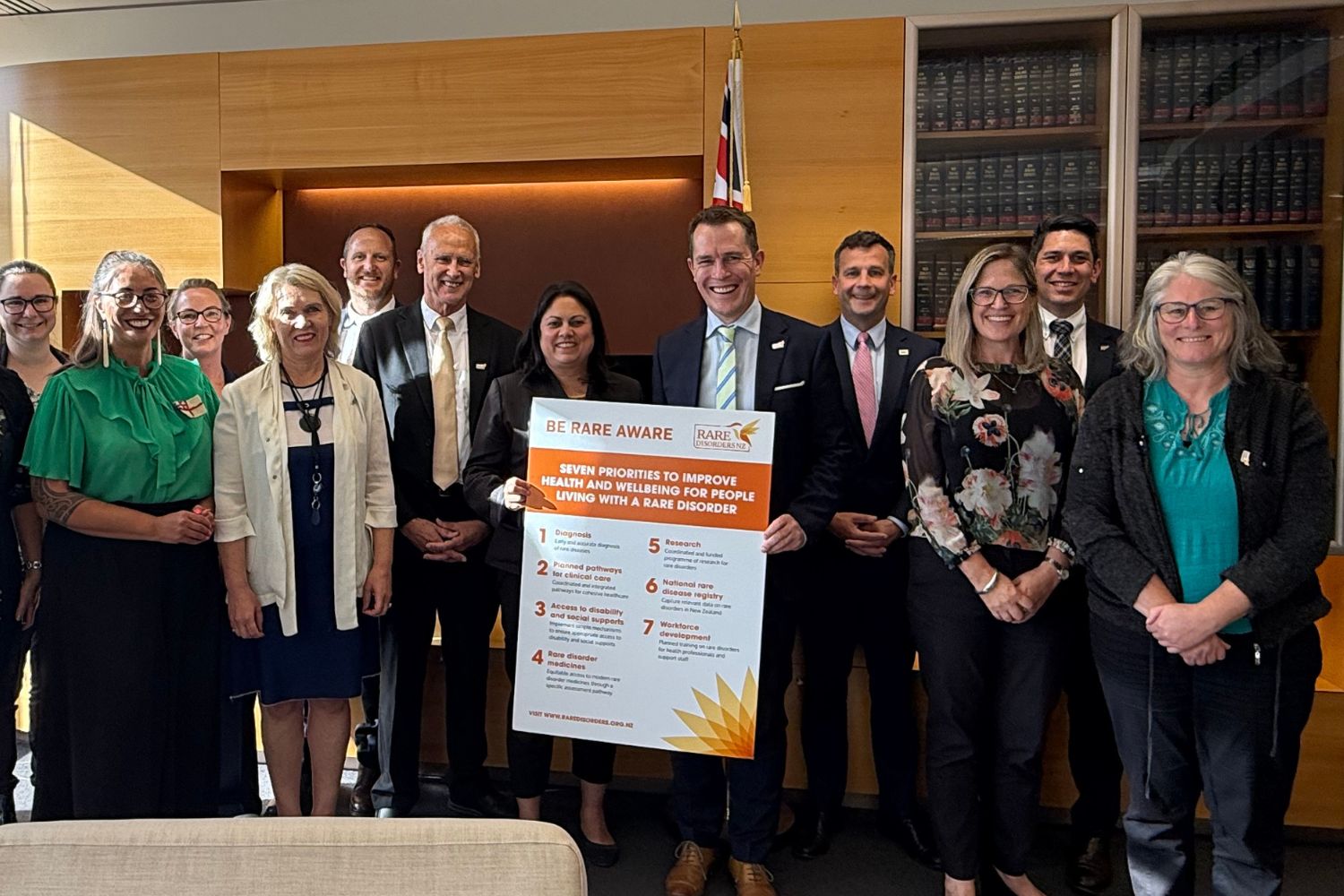
The advocacy tools Michelle has developed over the years were put to good use when she was invited by Rare Disorders NZ to present her lived experience of raising a child with a rare disorder to MPs at the inaugural meeting of the Cross-Party Parliamentary Group on Rare and Undiagnosed Disorders.
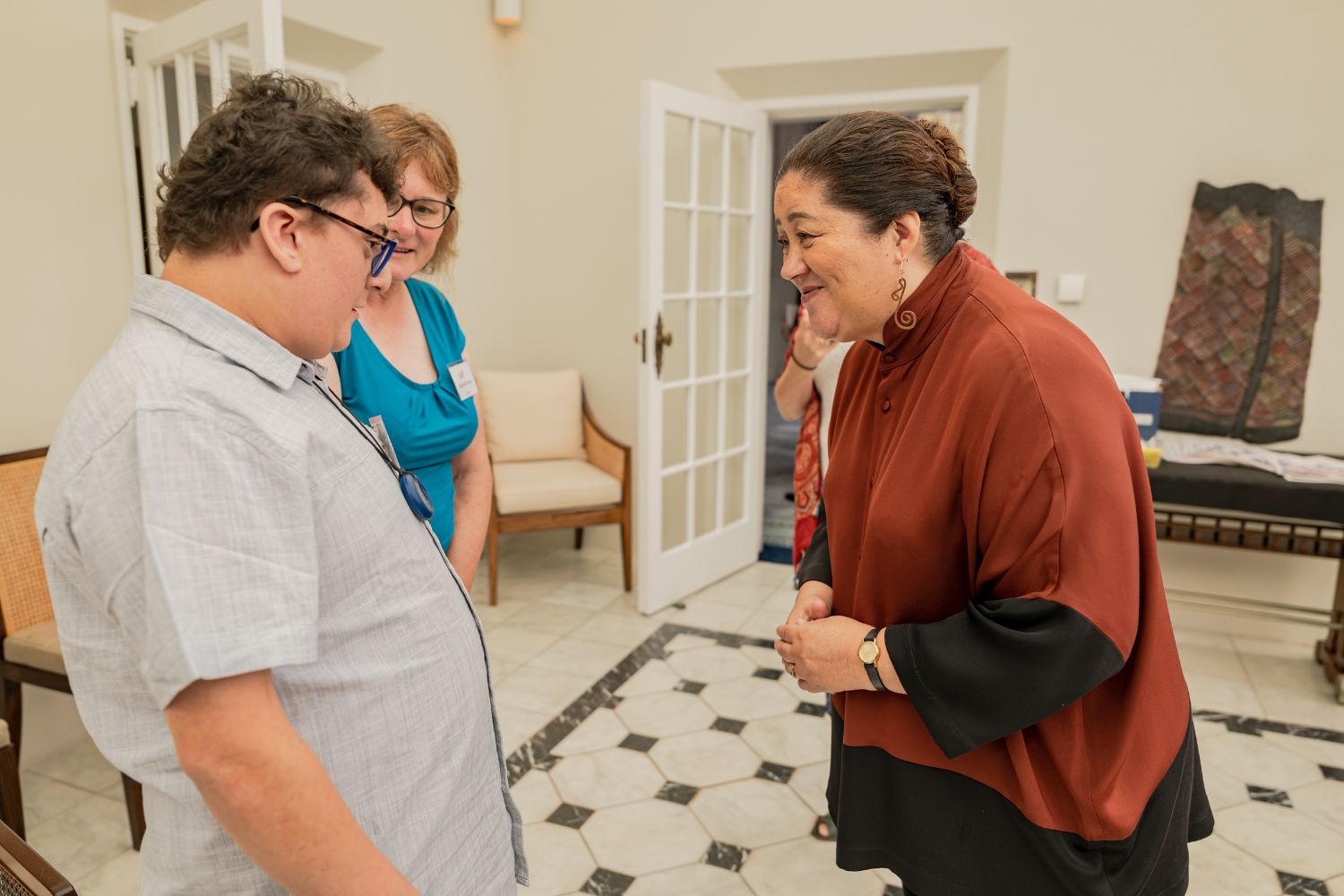
“I was a bit nervous as it was very much outside of my comfort zone. But it felt good to share what our journey has been so far - highlighting how hard it can be and how much more work there is to do in the rare disorder space to improve things for the better. Hopefully even one little piece of our journey that I shared resonated with someone to help make a difference.”
Words and images supplied by Rare Disorders NZ
Support Rare Disorders New Zealand with your 1%
Help Rare Disorders NZ support all New Zealanders who live with a rare condition with just 1% of your annual income. For the average Kiwi, that's only $10 per week. Support Rare Disorders NZ with your 1%.