Bringing Rare Disorders Researchers Together to Make a Bigger Difference
November 5, 2026
Our partner charity, Rare Disorders New Zealand, is bringing researchers together to tackle one of the biggest challenges in rare disorders research: making sure people working in the same field can learn from one another. What started as a small network has grown into an international connection, opening up exciting opportunities for research in Aotearoa.
Research plays an important role in improving the health and wellbeing of people living with rare disorders. Here in Aotearoa New Zealand, we're fortunate to have dozens of researchers passionate about making life better for people affected by these conditions.
Rare disorders research helps uncover the causes of conditions and develop new treatments. But its benefits can reach much further. Research into rare disorders has sometimes led to breakthroughs in treating more common conditions too. Take statins, for example. These medicines, now used by millions of people around the world to manage cholesterol, were developed following research into rare genetic conditions.
We're also seeing exciting new technologies, such as gene therapies for rare disorders. These are opening the door to more targeted, personalised treatments that could benefit many more people in the future.
As the umbrella organisation for rare disorders in New Zealand, our partner charity Rare Disorders New Zealand (RDNZ) recognised that researchers working in this area weren't always connected with one another. Clinicians were also often unaware of research happening in areas relevant to the patients they were supporting.
RDNZ saw an opportunity to bring these people together. By creating space for researchers to connect, share what they're learning and work together, they could help move rare disorders research forward.
Working with two researchers from Victoria University of Wellington, RDNZ established the Rare Disorders Research Network. They initially expected around 20 researchers to join. That number quickly grew to more than 50, and it's still growing.
“It blew us away actually. We knew there were lots of rare disorders researchers, but it soon became clear that there were many more we weren’t aware of. It reaffirmed for us just how important it was to establish this network,” says Chris Higgins, RDNZ Chief Executive and co-chair of the research network’s leadership group.
The network has since made connections beyond New Zealand too. It has been accepted as a National Mirror Group of the European Rare Diseases Research Alliance (ERDERA). New Zealand is the first country in the Southern Hemisphere, and the first outside Europe, to host one of these groups.
This is a big step for rare disorders research in Aotearoa. It creates more opportunities for researchers to work together, share knowledge and align their efforts with international research. It also gives New Zealand researchers a pathway to Horizons Europe, the European Union's major research and innovation funding programme.
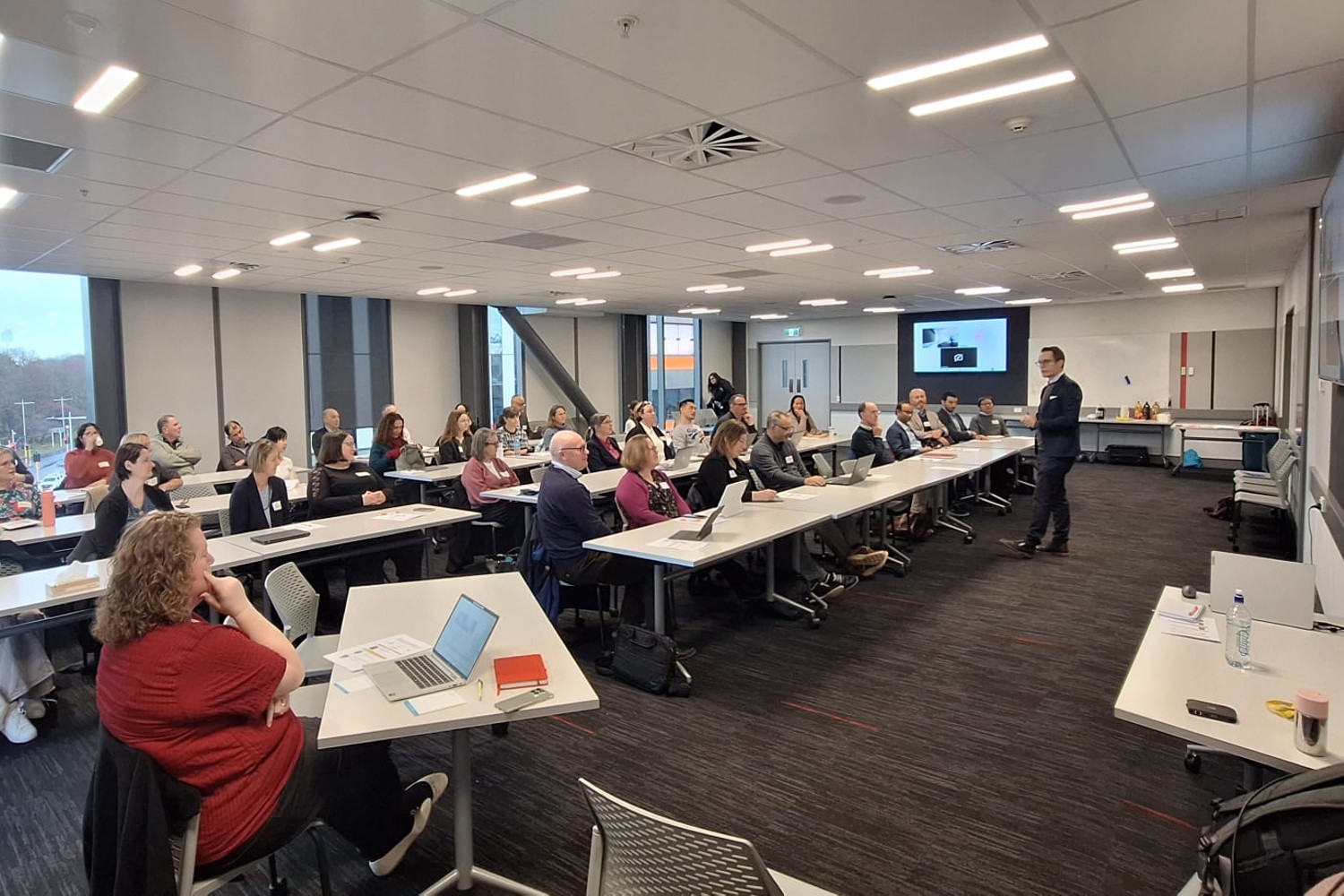
Once a year, RDNZ brings network members together in person. The most recent gathering was the Rare Disorders Research Forum in August 2026.
“It was extremely valuable for me as a student genetic counsellor to participate in the Rare Disorders Research Forum. There is no genetic counselling training in New Zealand, so I am doing my course through UTS in Sydney. It was incredible to have the opportunity to learn about New Zealand-based research and hear from the key people involved. I particularly enjoyed hearing the te Ao Māori perspective on rare disorders research,” shared Helen Willacy, a student genetic counsellor and president of Tuberous Sclerosis Complex New Zealand.
“We have world leaders in research working here in Aotearoa New Zealand who are passionate about what they do and excellent collaborators. It was exciting to hear more about the ERDERA National Mirror Group and RDNZ’s pivotal and important role in that group.”
By bringing researchers and clinicians together, RDNZ is helping build stronger connections across the rare disorders research community, both here and overseas.
And it's thanks to generous donations through One Percent Collective that RDNZ can continue this important work.
Words and images supplied by Rare Disorders NZ
Support Rare Disorders New Zealand with your 1%
Help Rare Disorders NZ support all New Zealanders who live with a rare condition with just 1% of your annual income. For the average Kiwi, that's only $10 per week. Support Rare Disorders NZ with your 1%.